By Samantha Chigogo Climate researchers from America’s National Oceanic and Atmospheric Administration (NOAA) have revealed that 2015 has broken records as the earth’s hottest year and the global scorching weather conditions are forecast to continue. According to the NOAA Annual Global Analysis for 2015, last year’s sharp spike […]
Yomi Kazeem February 05, 2016 Zimbabwe has declared a state of disaster in parts of the country which have been badly hit by one of the worst droughts it has seen in recent years. According to reports, as many as 2.4 million people—almost a quarter of Zimbabwe’s population—are […]
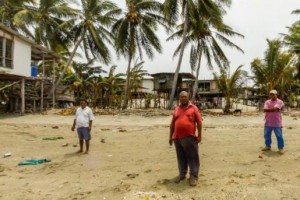
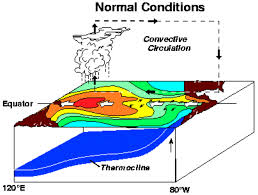
Source(s): Oxfam International Secretariat Millions of people in the Pacific are affected by the consequences of a powerful El Niño – the climate phenomenon that develops in the tropical Pacific and brings extreme weather to several regions of the world. Papua New Guinea is currently the worst hit […]
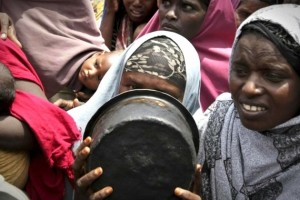
Reuters Sep. 01, 2015 NAIROBI: The number of Somalis in hunger has risen in the past six months, the United Nations said Monday, predicting a further spike as the Horn of Africa nation braces itself for the worst flooding in decades. Following a poor cereal harvest caused by […]

Approved for Release: 9 November 2015 The Prime Minister, Hon. Peter O’Neill CMG MP, has announced that seedlings for hybrid drought resistant crops that can better cope with El Niño conditions will be distributed through drought and frost affected areas of the country. PM O’Neill said the Government, […]

Monte Morin LA Times A fog of suffocating smoke settles over the Indonesian countryside, sickening hundreds of thousands of people and triggering an environmental crisis. In Peru, officials abandon plans to host the lucrative Dakar Rally and prepare instead for torrential rains and devastating floods. And in […]
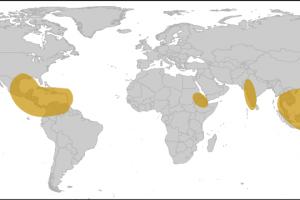
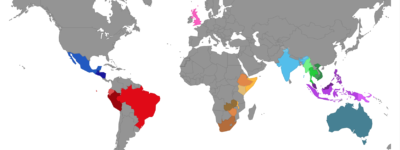
Summary October 8, 2015 The strong El Niño of 2015 has contributed to suppressed rainfall over northern East Africa and Central America and the Caribbean (Figure 1), significantly limiting agricultural and pastoral potential, and straining local livelihoods. These impacts are contributing to Crisis (IPC Phase 3) acute food […]